The Impact of Warehouse Storage on Supply Chain Management

Supply Chain Management

Challenges in Warehouse Storage

Capacity Constraints: One of the main challenges in warehouse storage is limited space and storage capacity. Warehouses need to make the most of the available space to accommodate inventory while ensuring accessibility and safety.

Inventory Management: Effective inventory management is essential for warehouse storage, but it can be challenging to achieve. Issues such as overstocking, stockouts and inaccurate inventory records can all lead to inefficiencies and increased costs.

Labor: Warehouses require a significant amount of labor, and finding and retaining skilled workers can be a challenge. Additionally, physical demands, such as lifting heavy objects, can lead to injuries and work-related health issues.

Technology: Technology has become increasingly important in warehouse storage, but implementing and integrating new technology can be challenging. Issues such as cost, compatibility, and training can all impact technology adoption and effectiveness.

Environmental Factors: Warehouses need to maintain appropriate environmental conditions for different types of products, such as temperature and humidity control. However, environmental factors can be challenging to manage, and inadequate storage conditions can lead to product damage & spoilage.

How Warehouse Storage Can Improve Supply Chain Management Process

Warehouse storage can improve the supply chain management process in following ways:

Improved Inventory Management: Proper storage solutions such as industrial racks and pallet racking systems can help businesses organize their inventory efficiently, making it easier to track and manage their stock levels.

Reduced Operational Costs: Effective warehouse storage solutions can help businesses reduce operational costs by optimizing the use of space and minimizing the need for additional storage facilities.

Increased Efficiency: An organized and efficient warehouse storage system can improve the flow of goods within the supply chain, reducing lead times & improving delivery times.

Enhanced Safety: Properly stored goods can reduce the risk of workplace accidents and injuries, improving workplace safety for employees and reducing the risk of damage to goods.

Improved Customer Satisfaction: An effective warehouse storage system can help businesses meet customer demands by providing quick and accurate access to products, reducing lead times and improving order fulfillment rates.

Impact of Racks on Warehouse Storage

Racks are a critical component of warehouse storage and they can have a significant impact on supply chain management. One of the primary benefits of racks is increased storage capacity. By enabling vertical storage, racks help to maximize the use of warehouse space & accommodate more inventory. This can be especially important for warehouses with limited space or those that need to handle seasonal demand fluctuations. With racks, warehouses can optimize inventory management and reduce the need for additional storage space, which can lead to cost savings.

They also improve organization and accessibility within the warehouse. Racks make it easier for workers to locate and retrieve stored items. This reduces the time and effort required to handle inventory, leading to increased efficiency and productivity. Workers can quickly and easily access the inventory they need which reduces the risk of delays in order fulfillment.

Types of Racks for Warehouse Storage

Here are some common types of racks used in warehouse storage:

Pallet Racking Systems: Pallet racking systems are designed to store palletized goods and are available in various configurations such as selective, drive-in, and push-back racks.

Industrial Shipping & Storage Racks: Industrial shipping and storage racks are designed to securely store and transport heavy-duty items, such as pipes, barrels or drums.

Drive-in Racks: Drive-in racks are designed for high-density storage and allow forklifts to drive directly into the rack to load and unload pallets. They are ideal for warehouses that need to store large quantities of the same type of product.

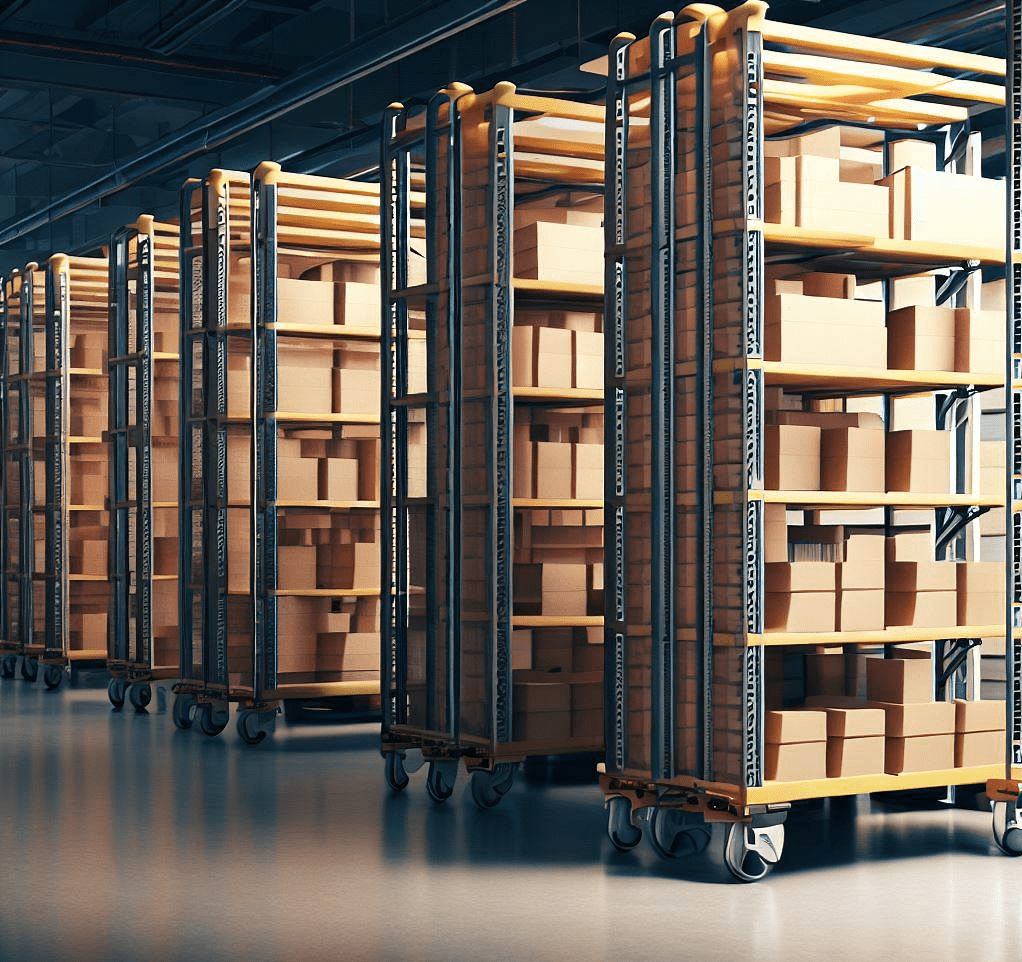
Movable Storage Racks: Movable storage racks are designed to move along tracks installed in the warehouse floor, allowing for flexible storage options. They are ideal for warehouses that need to store large quantities of goods but have limited floor space.

Optimizing warehouse storage can have a significant impact on a business’s supply chain management. By implementing effective storage solutions such as industrial racks, businesses can improve their inventory management and increase overall efficiency. Given the importance of supply chain management in achieving business success, it is crucial for businesses to prioritize their warehouse storage and invest in solutions that align with their specific needs. Ultimately, an optimized warehouse storage system can streamline operations, increase productivity and enhance customer satisfaction which makes it a worthwhile investment for businesses of all sizes.

RFQ

Related Posts:

How to Simplify Assembly to Storage Workflow?

Making this workflow simple is crucial to optimize the production process. This has several benefits, such as boosting efficiency, enhancing organization, reducing errors, saving costs, improving communication, and ensuring greater safety.

A simplified workflow reduces the time and effort required to move products from the assembly area to storage, allowing workers to focus on other tasks such as quality control, which can improve productivity. It also ensures that products are tracked efficiently, reducing the risk of misplaced or lost items, which can cause delays and increase costs.

movable storage racks

Challenges in Assembly to Storage Workflow

There are several challenges faced in the assembly to storage workflow that can impact the production process. Some of these challenges include:

  • Lack of standardization: When the process is not standardized, it can lead to confusion, miscommunication & errors. This can cause delays in production and lead to increased costs.
  •  
  • Inefficient use of storage space: When storage space is not utilized effectively, it can result in cluttered workspaces, misplaced items, and reduced productivity.
  •  
  • Inadequate labeling and identification: When products and materials are not properly labeled, it can lead to confusion, errors, and delays in the assembly process.
  •  
  • Poor communication between teams: When there is poor communication between the production and storage teams, it can lead to delays, errors, and lost productivity.


The impact of these challenges can be significant, including:

  • Reduced productivity: When there are errors, delays & miscommunications, it can lead to reduced productivity and throughput.
  •  
  • Increased costs: When there are errors, delays, and inefficiencies, it can lead to increased costs due to the need for rework, overtime, or extra storage space.
  •  
  • Quality issues: When there are errors in the assembly or storage process, it can result in quality issues that can impact the final product.
  •  
  • Safety concerns: When storage space is cluttered or disorganized, it can lead to safety concerns for workers.

Ways to Simplify the Workflow

Assembly to storage workflow is a crucial aspect of any manufacturing or production process. To simplify this workflow, there are several steps that can be taken:

  • Standardize the process: The standardization of the process involve creating a standard operating procedure (SOP) that outlines the steps to be taken and the roles and responsibilities of each team member involved in the process which streamlines the process in a more efficient manner
  •  
  • Implement visual management: Visual management techniques such as color coding, visual cues, and visual aids can help to simplify the assembly to storage workflow.
  •  
  • Optimize storage space with racks: To make the most of available space, it is important to use racks and shelving units that are designed to maximize storage capacity. This can include using specialized racks such as industrial storage racks, mobile shelving units and movable storage racks that can be easily moved and adjusted as needed.
  •  
  • Use labeling and barcoding systems: Using barcode scanners or mobile devices to scan barcodes and track inventory in real-time can make it easier to locate specific products or parts.

Simplifying the assembly to storage workflow is an important step towards improving productivity and efficiency in any industry that involves the use of assembly lines. The use of technology, such as automation and robotics, can play a key role in simplifying the workflow and enhancing the overall efficiency of the assembly line. As companies continue to innovate & adopt new technologies, it is important to prioritize simplification and streamlining of the workflow to achieve optimal results. Also, implementing racks throughout the workflow can provide an organized and efficient storage solution that helps to optimize storage space and improve accessibility, and workers can focus on other important tasks, ultimately saving time and reducing costs.

RFQ

Related Posts:

Tips to Speed up Wind Turbine Assembly Process

The significance of wind energy as a renewable resource is rapidly escalating, offering an eco-friendly solution to the global reliance on fossil fuels. Wind turbines, which convert wind energy into electricity, are at the forefront of this transition towards more sustainable energy practices. The demand for wind turbines is surging globally as nations ambitiously aim to cut greenhouse gas emissions and pivot to renewable sources of energy. These turbines, which can be placed both onshore and offshore, vary in size from smaller units suitable for individual homes to massive turbines capable of powering entire municipalities.

With the rising interest in wind turbines comes the challenge of streamlining their assembly processes to keep pace with demand. Constructing wind turbines is a detailed and labor-intensive operation, involving various components that must be deftly assembled and installed. Enhancing the efficiency of these assembly lines is crucial for manufacturers to scale up production and cater to the increasing appetite for renewable energy while also reducing the production footprint by conserving energy and raw materials.


wind turbines rack

Transporting and Storing of Components

The logistics of transporting and storing wind turbine parts are integral to the assembly process. This includes:

Trucks and Trailers: Specialized flatbed trucks and trailers are employed to haul components from manufacturing sites to assembly locations. These vehicles are equipped to manage large and hefty items through features like hydraulic lifts and secure tie-downs.

Shipping Containers: For international or long-distance transportation, shipping containers offer a robust option, protecting parts during transit.

Warehousing: Given the considerable size and weight of turbine parts, warehouses with features like overhead cranes and controlled environments are utilized.

Racks: To maintain organization and safety, racks play a pivotal role in keeping and moving components efficiently within the manufacturing and assembly zones. Industrial racks are used prevent damage and help to ensure that wind turbines are assembled quickly & correctly.

Laydown Yards: Laydown yards serve as external storage spaces for items too bulky or heavy for indoor storage.

Speed up Wind Turbine Assembly Process

Improving the assembly time for wind turbines involves several strategies, such as:

Optimize Planning and Coordination: Utilizing project management tools aids in devising detailed schedules and fosters clear communication, thereby reducing slowdowns.

Streamline Logistics and Material Handling: By optimizing warehouse layouts and adopting robotics, the movement of parts can become more efficient, expediting the assembly process.

Optimize Assembly Process: Adopting modular designs and using standardized parts can simplify construction, decreasing the variety of tools needed.

Enhance Safety Measures: Providing comprehensive training and ensuring the use of protective gear help uphold safety standards, preventing accidents and delays.

Use Technology: Employing virtual and augmented reality for training and assembly simulations, alongside sensors for monitoring turbine performance, can pre-emptively address maintenance issues.

Importance of Optimizing Wind Turbine Assembly

Increased Production Capacity: Streamlining assembly procedures allows manufacturers to produce more turbines in less time, meeting the rising demand for renewable energy sources.

Cost Reduction: Time-consuming wind turbine assembly processes incur higher labor and resource costs. Optimizing assembly minimizes these expenses, enhancing the competitiveness of wind energy against fossil fuels.

Environmental Impact: Efficient assembly reduces energy and resource consumption during manufacturing, lowering the carbon footprint of wind turbine production.

Reliability and Performance: Precise wind turbine assembly ensures components are correctly installed, decreasing the likelihood of malfunctions or breakdowns and enhancing turbine performance and longevity.

Safety: Proper training and safety measures for workers reduce the risk of workplace accidents and injuries during assembly operations.

What is Wind Turbine Fabrication?

Wind turbine fabrication is the process of creating the components that comprise a wind turbine. This includes the manufacture of rotor blades, towers, nacelles (which house the turbine’s generator and other internal components), hubs, gearboxes, and other associated equipment. Fabrication includes a variety of techniques such as cutting, sculpting, molding, welding, machining, and assembling these components to exact specifications.

Wind turbine fabrication is an important part of the renewable energy sector because the reliability and performance of the components produced have a direct impact on the overall efficiency and longevity of wind turbines in harvesting wind energy. Efficient and precise fabrication procedures are critical for addressing the growing global demand for wind turbines and accelerating the transition to a sustainable energy future.

How Turbine Fabrication Helps in Optimizing Wind Turbine Assembly Process

Efficient wind turbine fabrication considerably improves the assembly process in various ways:

Quality Assurance: Turbine fabrication procedures follow stringent quality standards, guaranteeing that components are made to exact specifications. High-quality components reduce the need for modifications or corrections during assembly, which streamlines the entire process.

Customization and Standardization: Fabrication techniques allow for customization of turbine components to suit specific project requirements while also promoting standardization where feasible. Customization ensures that turbines are tailored to varying environmental conditions, while standardization simplifies assembly by reducing the complexity of component integration.

Material Innovation: Advances in fabrication technology enable the use of advanced materials that enhance the performance and durability of turbine components. Lightweight yet robust materials for rotor blades and towers, for example, improve turbine efficiency and longevity. These materials also facilitate easier handling and installation during assembly.

Cost Reduction: Efficient fabrication processes help drive down production costs by optimizing manufacturing techniques, minimizing waste, and maximizing resource utilization. Cost-effective fabrication translates to lower overall turbine manufacturing costs, making wind energy more economically viable.

Streamlined Supply Chain: Effective coordination between fabrication facilities and assembly sites ensures timely delivery of components, reducing delays in the assembly process. Well-managed supply chains optimize logistics, minimizing transportation costs and lead times.

Innovative Technologies: Fabrication processes leverage innovative technologies such as automation, robotics, and additive manufacturing to increase efficiency and productivity. These technologies enable faster production cycles, reduce manual labor requirements, and improve the precision of component manufacturing.

We encourage wind turbine manufacturers & contractors to consider these tips when developing their assembly processes. By doing so, they can help to make wind energy more accessible and affordable, which will also contribute to the global effort to reduce greenhouse gas emissions & combat climate change.

Frequently Asked Questions

What are some challenges in wind turbine fabrication?

The challenges of wind turbine fabrication include refining manufacturing processes to decrease costs, guaranteeing supply chain resilience, enhancing component efficiency and dependability, and managing transportation and logistical concerns.

What are some challenges faced during wind generator assembly?

Wind generator assembly challenges may include adverse weather conditions, logistical complexities associated with transporting large components, coordinating assembly activities with other construction activities at wind farm sites, and maintaining quality control throughout the assembly process.

Can wind generator assembly be customized for specific project requirements?

Yes, wind generator assemblies can be tailored to fulfill individual project needs such as turbine size, tower height, and installation site environmental conditions. Customization may include changes to component design, assembly techniques, and system integration in order to improve performance and efficiency.

RFQ

Related Posts:

How to Prevent Accidents Due To Warehouse Storage Racking?

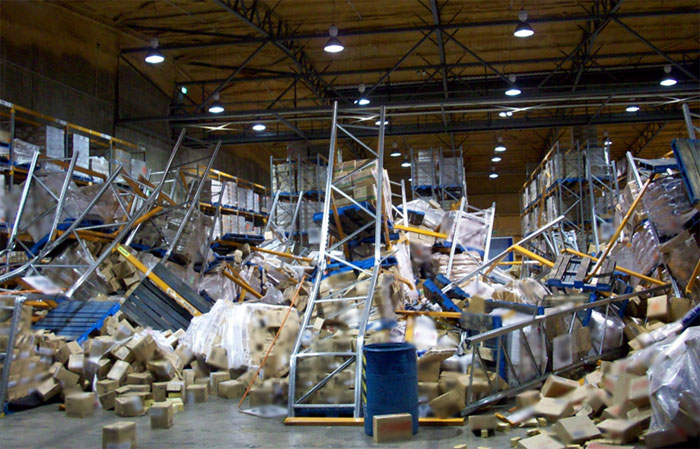
Warehouse accidents can occur due to improper rack management, heavy loading, incorrect stacking, and much more. Most times, the consequences of these accidents can be severe, resulting in injuries, lost productivity, and damage to goods. In some cases, accidents can even lead to fatalities. This is why it is important to prioritize warehouse safety. The Occupational Safety and Health Administration (OSHA) has set specific guidelines and regulations to help ensure the safety of products as well as workers in warehouses. This blog discusses important OSHA safety tips that warehouse owners and workers should know. Stay, tuned.  

Prevent Accidents In Warehouse Storage Racking


Warehouse Safety – OSHA Statistics and Tips Explained

Below are some important warehouse safety tips. So, let’s take a look at it.

  • Organize Safety Training Sessions: One of the best ways to ensure warehouse safety is to provide regular employee training sessions. These sessions should cover topics such as proper lifting techniques, the use of equipment, emergency procedures, and more. By providing training, employees can better understand the potential hazards in the workplace and how to prevent accidents.
  •    
  • Keep Aisles Clear: Aisles in a warehouse should always be kept clear to prevent accidents. Boxes and other items should not be left in aisles, and there should be designated areas for storage and staging. This will help prevent tripping hazards and ensure that workers can move around safely.
  •    
  • Use Proper Lifting Techniques: Lifting heavy objects is a common task in many warehouses, and it can put a lot of strain on workers’ bodies if not done properly. Employers should provide training on proper lifting techniques, such as bending at the knees and using the legs instead of the back when lifting an object. Also, ensure use of appropriate material handling equipment in good condition.
  •    
  • Use Proper Personal Protective Equipment (PPE): Another important aspect of warehouse safety is using proper personal protective equipment (PPE). This can include items such as hard hats, safety glasses, gloves, and more. Employers should provide employees with the necessary PPE and ensure that it is used properly and consistently.
  •    
  • Properly Maintain Equipment and Machinery: Equipment and machinery such as forklifts, pallet jacks, and conveyors are essential in warehouse operations, but they can also be dangerous if not properly maintained. Employers should have regular maintenance schedules for all equipment and machinery and ensure that any repairs are made promptly.
  •    
  • Monitor Temperature and Humidity Levels: Temperature and humidity levels in a warehouse can significantly impact worker safety and health. It may also hamper the products depending on their type. Employers should monitor these levels and take appropriate measures to ensure that they are within safe limits.
  •    
  • Label Hazardous Materials: If hazardous materials are stored in a warehouse, they should be properly labeled with warning signs and information on how to handle them. Workers should also be trained on how to handle these materials safely.
  •    
  • Have Emergency Procedures in Place: Finally, it is important to have emergency procedures in place in case of accidents or other emergencies. Workers should know what to do in the event of a fire, chemical spill, or other emergency situation. Employers should have clear procedures documented in place and ensure that workers are trained on them.

Warehouse safety is of utmost importance for successful operations and the well-being of workers. By clearly understanding and following OSHA guidelines, employers can prevent accidents and ensure that workers can perform their job efficiently. With an organized training program, proper maintenance, and appropriate safety measures, a warehouse can be safe to work for everyone involved. Do you have any concerns or further questions about your warehouse safety? If the answer is yes, you must approach a reliable and experienced player that manufactures warehouse and storage equipment and offers safety solutions. SPS Ideal Solutions is one of the top and renowned names on the list. The company ensures industrial safety by providing high-quality warehouse storage racking systems. These systems help reduces common warehouse injuries.

Related Posts:


Rack Guarding: Why It’s Important And Where You Need It

While it is not always possible to prevent a pallet from falling, some measures can be taken to lessen the damage caused by an impact. One such measure is to install rack protectors around areas where pallets are stored. These guards can help to deflect a falling pallet away from people and property, minimizing the risk of injury or damage. There are several pallet rack guard types available in the market, including wire mesh guards, foam padding guards, and steel guards.

Whatever model you choose, it is critical to identify the areas that require warehouse rack protectors. This post lists a few areas that require warehouse rack protectors. 

How to Protect Your Racks with Pallet Racking Protectors

Some Important Types of Pallet Rack Guard

Choosing the right pallet rack protection is critical for protecting warehouse infrastructure and guaranteeing employee safety. Let’s go deeper into three common varieties of pallet rack guards and explain their distinguishing features:

Mesh Guarding

Mesh guards are elaborately woven wire mesh panels strategically placed along the perimeter of pallet racks. These panels act as a protective barrier, preventing products from cascading from racks and inflicting damage or harm.

Advantages

Visibility: The natural design of mesh guarding allows warehouse personnel to clearly detect and access merchandise without difficulty. Durability: Made from strong wire mesh materials, these guards provide long-term protection against impacts and collisions in the warehouse environment.

Durability: Made from strong wire mesh materials, these guards provide long-term protection against impacts and collisions in the warehouse environment.

Versatility: Mesh guards are adaptable to a variety of warehouse settings, including those with high traffic volumes and large load capacities, making them an effective choice for comprehensive asset security.

Foam Padding Guards

Foam cushioning guards are expertly designed to absorb kinetic energy and reduce damage in the case of a pallet fall. These guards are made out of a high-density foam core surrounded by a tough exterior casing made of vinyl or nylon.

Advantages

Impact Absorption: The inherent softness and cushioning features of foam padding guards excel at absorbing the force exerted by falling pallets, reducing the possibility of harm to stored objects and neighboring infrastructure.

Ease of Installation: Because of their lightweight composition, foam padding guards are easy to install, requiring only a few tools and labor. Customizability: Foam padding guards are highly customizable, adaptable to specific rack dimensions and configurations, offering specialized protection that meets warehouse requirements.

Customizability: Foam padding guards are highly customizable, adaptable to specific rack dimensions and configurations, offering specialized protection that meets warehouse requirements.

Steel Rack Guard

Steel rack guards are strong barriers made from solid steel materials. These barriers are carefully placed around pallet racks to provide strong protection against accidents and collisions.

Advantages

Maximum Strength: Steel rack guards are stalwart sentinels, capable of withstanding formidable impact pressures caused by falling pallets and other possible hazards.

Permanent Protection: Once placed, steel rack guards provide long-term fortification for warehouse infrastructure, reducing the chance of costly repairs or replacements and supporting operational continuity.

Enhanced Security: The impermeable design of steel guards serves as a strong barrier to unwanted access and tampering, strengthening overall warehouse security processes and protecting important assets.

Areas Requiring the Use of Rack Guarding

Several areas of the warehouse require the use of rack guarding. So, how critical is it to install protective guards on your pallets? The answer is that it depends on your business. If you regularly transport heavy or delicate materials, then guards are absolutely essential. The most common areas are the loading dock, the picking area, and the shipping area.

  • If you have a pallet rack that is located near any machinery or equipment, you must install protective guards. This is because if something were to fall off of the rack, it could seriously damage the machinery or equipment, and could even injure or kill someone who is working nearby.
  • Installing rack protectors is critical in areas where a high volume of vehicle traffic is present.
  • The loading dock area is one of the most dangerous areas in the warehouse. There are many potential hazards, including falling boxes and lifting equipment. By installing rack guards in this area, you can help to prevent pallet falling from happening.
  • The aisles between the racks are another area where accidents can happen. If boxes or other items are stored improperly on the racks, they can fall and injure someone walking underneath.
  • When it comes to safety, there is no such thing as being too careful. This is especially true in areas where there is a high volume of pedestrian traffic. Installing protective guards in these areas can help to protect people from injuries in the event of a slip and fall. When you consider the potential cost of a lawsuit or an insurance claim, the expense of installing protective guards looks a lot more reasonable.

Factors to Consider before Installing Pallet Rack Guards

Installing pallet rack guards may seem like a simple and straightforward task, but there are actually several factors you need to consider before going ahead with the installation. For instance, you need to take into account the:

  • Height of the racks
  • Weight of the loads
  • Type of pallets being used
  • The capacity of the pallet rack
  • The layout of the warehouse

Failure to properly consider all of these factors could result in the guards being installed incorrectly, which could lead to serious accidents or even injuries. So before you install pallet rack guards in your warehouse, make sure you take the time to do your research and plan everything out carefully.

Needless to say, investing in good quality warehouse rack protectors is a good idea. They can help to prevent damage to your warehouse racks while improving the efficiency of your warehouse operations. However, you need to be careful when choosing the racks for your warehouse. You must source them from trusted manufacturers like SPS Ideal Solutions. The company offers customized racking solutions for your industrial needs. You can get in touch with the experts on the content to know more. 

FAQs About Pallet Rack Protectors or Guard

What is the purpose of pallet rack protectors?

Pallet rack protectors serve a critical function in warehouse and industrial settings, providing a barrier between pallet racks and moving equipment like forklifts and pallet jacks. The primary purpose of pallet rack protectors is to prevent damage to the racks, enhancing safety for personnel and protecting stored inventory. By absorbing and distributing the force of impacts, these protectors minimize the risk of collisions and subsequent rack collapse, reducing the potential for accidents and injuries. Additionally, they contribute to cost savings by minimizing the need for repairs or replacements of damaged racks and inventory, thus ensuring the efficiency and integrity of warehouse operations over time.

Is it an OSHA violation to use pallet rack guard in pallet racking system?

Using pallet rack guards in a pallet racking system is generally not an OSHA violation; in fact, it’s often encouraged as a safety measure. These guards serve to enhance safety in warehouses by protecting pallet racks from damage caused by forklifts, pallet jacks, and other equipment. By reducing the risk of rack collapse and injury to personnel, these guards align with OSHA’s focus on workplace safety and hazard prevention.

What is the safety factor of wire mesh guards?

The safety factor of wire mesh guards, commonly used in pallet systems, is typically around 2 to 3 times the maximum expected load or impact. For example, if a guard is rated to withstand 5000 lbs of force, it likely has a safety factor ensuring it can endure up to 10,000 to 15,000 lbs of force before failure. This factor accounts for variations in load distribution and unexpected impacts, ensuring optimal safety in warehouse environments. Compliance with relevant safety standards, such as those accredited by OSHA, further ensures the guards’ reliability and effectiveness in protecting personnel and inventory.

What is the most common form of mesh guarding?

The most common form of mesh guarding used in warehouse and industrial settings is welded wire mesh panels. These panels consist of intersecting wires welded together to form a grid pattern, creating a sturdy and durable barrier. Welded wire mesh panels are versatile and widely used for various applications, including pallet rack guards, machine guarding, perimeter fencing, and more. They provide excellent visibility, airflow, and protection against impacts, making them a popular choice for safeguarding personnel, equipment, and inventory in diverse environments.


Related Posts:

Factors to Consider When Determining the Pallet Rack Capacity

Pallets have an upper surface that stores the product, while there are beams or a frame beneath, which allows a person or equipment to hold the product along with the pallet. Warehouse pallet racking systems have gained traction because of these beneficial features, which help avoid damage and breakage. They keep the products safe and organized, making immediate shipping easy. Each of these pallet rack systems has a maximum load-bearing capacity, and this value is essential as heavy-duty goods are stocked onto each other. Hence, it is essential to know the right pallet racking weight capacity and rack frame capacity for reliable storage. This post discusses the significance of pallet racking weight capacity and factors to consider when calculating the same.

Why it is Important to Know Your Pallet Rack Capacity?

What is pallet rack capacity for reliable storage

Pallet rack capacity is ideally the distance between the beam and the floor. In contrast, pallet rack frame capacity is the total weight of the products that the frames can support. It is very important to be aware of the pallet capacity before arranging the items. This ensures the safety of the warehouse and the workers. When pallet racks are overloaded it can cause accidents and harm both the racks and the items stored on them. Being aware of the weight capacity of pallet racking is crucial to prevent losses and maintain organization and safety of goods. Thus it’s essential to consider the weight capacity of racks when setting them up for your goods.

What Are Pallet Racking Frames?

Rack frames are the vertical components of a pallet racking system. These frames make storing lucid. Racking frames are flexible and can be adjusted according to the requirement. The thickness and dimensions of these frames as well as the distance between the two beams that join them are significant aspects in determining their load-bearing capacity. The larger the distance, the lesser the weight-bearing capacity. 

Understanding Weight and Pallet Rack Beam Capacity

When it comes to ensuring the safety and efficiency of warehouse operations, understanding load limits and the capacity of pallet rack beams is crucial. This knowledge helps in preventing accidents, avoiding damage to goods, and maintaining an organized storage system. Here are the key aspects to consider:

Pallet Rack Weight Capacity

1. Definition: Pallet rack weight capacity refers to the maximum weight a pallet rack system can safely support. Exceeding this limit can lead to structural failure, posing significant risks to both personnel and products.

2. Importance: It’s important to stick to weight limits to avoid accidents and make sure the racking system lasts. Putting weight on it can cause beams to bend racks to collapse and goods to get damaged.

3. Calculation: To accurately determine pallet rack weight capacity, consider the weight of the products, the weight of the pallets themselves, and any additional dynamic forces that may occur during loading and unloading.

Pallet Rack Beam Capacity

1. Beam Length: The length of the beams plays a vital role in determining their load-bearing capacity. Longer beams tend to have lower capacity because the weight is distributed over a larger area, increasing the risk of deflection. Therefore, it’s important to balance beam length with the weight and size of the products being stored.

2. Material and Design: The pallet rack beam capacity also depends on the materials used and the design of the beams. High-quality steel beams with reinforced design features can support heavier loads. Be sure to check the manufacturer’s specifications for each type of beam.

3. Spacing and Configuration: The distance, between the beams and the layout of the racking system impact how weight it can hold. Having beams closer together usually makes the system better, at handling loads. Also using cross ways to reinforce it can increase its load capacity.

Factors to be Considered While Determining the Pallet Rack Capacity

Pallet rack capacity varies due to various reasons, including the type of material being used, rack design, and more. However, the following are some essential factors that you must consider for determining a pallet rack capacity:

  • Pallet Weight and Dimensions: This is one of the most important factors for determining load capacity and ensuring that the pallet is sturdy enough to hold the required weight. A pallet’s height, weight, and depth are measured for arranging the beams and even the distribution of pallets.
  • Beam Length: To determine the length of the beams, the first thing to be sure about is the width of the pallets and the number of pallets per beam. This is because when the beam length increases, it reduces the capacity to hold heavy weights. Therefore, you can increase the beam length if the items are in bulk but not heavy.
  • Vertical Beam Spacing: Vertical beam spacing is crucial to determine the pallet rack frame capacity. Higher vertical beam spacing results in lower upright frame capacity, which can be changed according to the item’s weight.
  • The capacity of Upright Frame: Upright frame capacity is the distance between two beam levels. This depends upon vertical beam spacing, beam weight, and other aspects of a pallet rack system.

If you plan to invest in some good pallet racks for your warehouse, then ensure the weight and quantity of the products to be stored on these pallet racking systems. Also, while buying pallet racks for your warehouse, ensure to partner with a trusted and reliable manufacturer. SPS Ideal Solutions is a leading provider of various storage systems, including pallets, racks, storage containers, and so on. The company manufactures high-quality warehouse pallet racking systems for reliable integration. In addition, the experts at SPS Ideal Solutions will also help you choose pallet racks with the suitable capacity required for your products. Get in touch with the team at SPS Ideal Solutions today to know more.

Frequently Asked Question About Pallet Rack Capacity

How do you calculate rack load capacity?

When figuring out how weight your rack can hold, first make sure you know all the details, about your racking system like beam sizes and how the frames are built, especially the vertical beam spacing. Then add up the weight of everything you’re going to store on it including the pallets themselves. Spread this weight evenly across the beams to keep things balanced.

Check out what the manufacturer says in their guidelines and specs about load ratings. This info tells you how weight each part of your racking system can handle safely. By sticking to these steps and giving some room, for safety you can work out. Maintain how much your pallet racking system can hold while keeping things safe and running smoothly in your warehouse.

What is the pallet rack beam weight capacity?

The pallet rack beam weight capacity refers to the maximum amount of weight that a single beam in a pallet racking system can safely support. This capacity is determined by several factors, including the beam’s length, material composition, and design specifications. Longer beams generally have lower weight capacities due to the increased span and potential for deflection under heavy loads.

It’s crucial to consult the manufacturer’s specifications for each type of beam used in your racking system to ensure it can support the intended weight without compromising safety or structural integrity. Distributing the load evenly across the beams and adhering to recommended safety margins are essential practices to maximize the beam’s weight capacity and maintain a secure warehouse environment.

What is the maximum warehouse racking weight capacity?

The maximum warehouse racking weight capacity refers to the overall load-bearing capacity of an entire pallet racking system within a warehouse. This capacity depends on various factors, including the structural design of the racking system, the type and quality of materials used, and the configuration of upright frames and cross beams. It’s determined by calculating the cumulative weight of all stored products, pallets, and any additional dynamic loads such as handling equipment or seasonal inventory fluctuations.

Ensuring that the warehouse racking system is installed and maintained according to manufacturer guidelines and industry standards is crucial for preventing overloading, which can lead to structural failure, damage to goods, and safety hazards. Regular inspections and adherence to load limits are essential practices to ensure the maximum warehouse racking weight capacity is safely and efficiently utilized.


Related Posts:

6 Amazing Benefits of Warehouse Storage Solutions

Why Warehouse Storage Solutions is Important?

Efficient warehouse storage solutions are crucial for several reasons:

Improved Inventory Management: Proper storage solutions help you arrange inventory, making products more accessible and precisely accounted for. This decreases the likelihood of stockouts, overstocking, or misplacement of goods, resulting in increased customer satisfaction and fewer operational disruptions.

Enhanced Workflow and Productivity: Well-designed storage systems improve workflow efficiency by minimizing the time and effort necessary to find and retrieve goods. This increases overall productivity and operational efficiency, allowing warehouse employees to concentrate on value-added tasks rather than looking for goods.

Reduced Labor Costs: Efficient storage systems can reduce labor requirements for processes like picking, packing, and restocking. Automated storage systems and optimized layouts can eliminate the need for human handling, resulting in cheaper labor costs and enhanced worker safety.

Scalability and Adaptability: As businesses expand and adapt, their storage requirements may shift. Efficient storage systems are flexible and versatile, allowing facilities to adjust inventory levels and operational requirements without substantial disturbances.

Enhanced Safety: Efficient storage solutions help to provide a safer working environment in warehouses. By properly managing goods and implementing safety measures such as clear aisleways and secure storage systems, the chance of accidents and injuries can be decreased.

6 Benefits of Warehouse Storage Solutions

There are several benefits of investing in warehouse storage solutions like warehouse racks, pallets, and so on. The following are six popular ones among them. 

  1. Optimizes Space: A warehouse racking designed with multiple storage tiers will help you optimize warehouse storage space. When industrial productions are at its peak, it is very common for manufacturers to invest in additional storage space. However, multiple storage tiers and forklift compatibility allows such manufacturers to optimize available space effectively. 
  2. Cost-Effective Solution: If a warehouse is not organized correctly, then you may face difficulty in storing your industrial production. This will force you to look for another warehouse which will require extra expenditure. A well-organized warehouse is sufficient to store all your inventory, thus making it cost-effective.
  3. Less Time Consuming: A good warehouse storage solution helps manufacturers to manage time effectively. They can set racks and pallets as per LIFO and FIFO or any other inventory management technique to retrieve and deliver goods as required. This would help them manage inventory and save time. 
  4. Improved Time-to-Market: When the inventory is organized for quick retrieval and effective movement, it helps manufacturers to improve their time-to-market capabilities. This time-to-market has emerged as a key growth differentiator in recent times. 
  5. Cleanliness: Warehouse storage solutions not only help optimize the storage area of a warehouse but also keep it clean. After organizing the products precisely according to their size, the next step is to clean the remaining space. This will lend a lavish look to your warehouse and will help keep your inventory organized.
  6. Safety: Safety is the most crucial concern that should never be ignored. Considering the types of products and their weight, it is crucial to look after the safety of your warehouse, inventory, labor, machines, tools, and so on. An organized warehouse is always safe for all. You can use various storage racks, like pallet racks, for storing heavy inventory. Warehouse racking will help you in arranging a warehouse more precisely.

How Warehouse Storage Facilities Maximize Available Space

Warehouse storage facilities maximize available space through several strategies:

Vertical Storage: Utilizing vertical space by installing tall shelves, mezzanines, or multi-level racking systems allows warehouse storage facilities to store goods vertically rather than spreading them out horizontally. This strategy effectively increases storage capacity without expanding the warehouse’s footprint.

Selective Racking Systems: Selective racking systems, such as pallet racking, provide easy access to individual pallets while maximizing vertical space. By adjusting shelf heights and aisle widths to accommodate different types of inventory, warehouses can efficiently store a variety of goods.

Narrow Aisle Layouts: Narrow aisle configurations optimize floor space by reducing the width of aisles between storage racks. Narrow aisle forklifts or automated guided vehicles (AGVs) can navigate these aisles efficiently, allowing for dense storage while maintaining accessibility to inventory.

High-Density Storage Systems: High-density storage solutions, such as drive-in racks, push-back racks, or mobile shelving systems, are designed to maximize storage density by minimizing aisle space and allowing for deeper storage of goods. These systems are ideal for storing large quantities of homogeneous products.

Mezzanine Floors: Installing mezzanine floors creates additional levels within the warehouse, effectively doubling the available floor space. Mezzanines can be used for storage, offices, or work areas, depending on the warehouse’s needs.

Cross-Docking: Cross-docking involves transferring goods directly from inbound to outbound trucks without storing them in the warehouse. This strategy reduces the need for long-term storage space and minimizes inventory handling, freeing up space for other purposes.

Slotting Optimization: Slotting optimization involves strategically assigning storage locations based on factors such as item popularity, size, weight, and turnover rate. By placing fast-moving or high-demand items in easily accessible locations, warehouses can improve picking efficiency and maximize space utilization.

Utilization of Cubic Space: Instead of focusing solely on floor space, warehouses should also consider the cubic space available within their facilities. Using taller shelving and storage systems allows businesses to take advantage of the entire volume of the warehouse, not just the floor area.

Importance of Safety Considerations in Warehouse Storage Systems

Safety considerations in warehouse storage systems are paramount for several reasons:

Worker Safety: The primary concern in any warehouse environment is the safety of workers. Improperly designed or maintained storage systems can pose significant risks of accidents, such as items falling from shelves, collapsing racks, or forklift collisions. By prioritizing safety in storage system design and maintenance, warehouses can minimize the risk of injuries to their employees.

Prevention of Accidents: Proper safety measures in warehouse storage systems help prevent accidents that could result in injuries, damage to goods, or even fatalities. By implementing safety features such as guardrails, safety nets, and anti-collapse devices, warehouses can reduce the likelihood of accidents and create a safer working environment for everyone.

Protection of Inventory: Safety considerations in storage systems not only safeguard employees but also protect inventory from damage. Properly designed storage systems prevent items from falling or shifting, reducing the risk of product damage and minimizing financial losses for the business.

Compliance with Regulations: Warehouse operations are subject to various safety regulations and standards imposed by government agencies and industry organizations. Adhering to these regulations not only ensures the safety of workers but also helps warehouses avoid fines, penalties, and legal liabilities resulting from non-compliance.

Enhanced Productivity: A safe working environment promotes productivity by reducing the likelihood of accidents and injuries that could disrupt operations. When workers feel safe and secure, they are more focused, motivated, and efficient in their tasks, leading to improved productivity and operational performance.

Risk Management: Safety considerations in warehouse storage systems are integral to risk management efforts. Identifying potential hazards, implementing safety protocols, and regularly inspecting storage equipment help warehouses mitigate risks and prevent costly accidents or incidents.

Employee Morale and Retention: Prioritizing safety in warehouse operations demonstrates a commitment to employee well-being, which can boost morale and contribute to higher job satisfaction among workers. A positive safety culture also helps attract and retain talent, as employees are more likely to stay with companies that prioritize their safety.

Reputation and Brand Image: Safety incidents in warehouses can tarnish a company’s reputation and brand image, leading to loss of customer trust and business opportunities. On the other hand, a strong focus on safety demonstrates corporate responsibility and can enhance the company’s reputation among customers, suppliers, and the public.

Role of Warehouse Storage Equipment in Warehouse Storage Management

Warehouse storage equipment is indispensable for efficient warehouse storage management. Its roles encompass maximizing space utilization by employing pallet racks, mezzanine floors, and automated storage and retrieval systems (AS/RS) to optimize vertical and horizontal space. These equipment types also aid in organizing inventory systematically, facilitating easy access and retrieval based on factors like SKU, size, and turnover rate.

Moreover, storage equipment ensures inventory protection and safety through features such as beam guards and rack protectors, reducing the risk of workplace accidents. By enhancing accessibility and retrieval, equipment like conveyor systems and AS/RS streamline movement within the warehouse, minimizing manual labor and order fulfillment time.

Warehouse storage equipment also contributes to optimized workflow, with layout designs incorporating conveyors and picking stations to minimize travel time for workers. Additionally, it offers adaptability and scalability, allowing warehouses to adjust to changing storage needs and scale operations as required.

If you are an OEM and looking to set up your warehouse, you would require multiple racking systems or other safe and robust instruments for organizing your warehouse. Managing a warehouse is a one-time investment and does not require changes frequently. Therefore, it is essential to partner with a trusted and reliable provider of warehouse storage solutions. To come up with one, SPS Ideal Solutions is one of the leading providers of warehouse storage solutions like racks, pallets, and storage containers. You can get in touch with the experts at the company to discuss your warehouse storage requirements. The experts will help you choose the right solution for your warehouse. 

Related Posts:

How Does Adjustable Pallet Racking System Optimize Warehouse Storage Efficiency?

How Does Adjustable Pallet Racking System Optimize Warehouse Storage Efficiency

The term involves several automated or semi-automated modules contributing to its functioning. Adjustable pallet racking (APR) system is one of the popular types of WMS. This system is suitable for those who are looking for modifications and customization to the racks and retrieve materials efficiently. APR has been gaining much popularity across industries owing to ease of use, safety, and convenience among other benefits. This system increases the overall warehouse storage efficiency. Do you want to know how an adjustable pallet racks system be an asset to your warehouse? This post answers these questions in detail. So, stay tuned.

Adjustable Pallet Racking Systems Explained

APR systems are commonly used in various types of warehouses and storage units. It is designed to increase the storage capacity of a standard racking system. It is a bolted framed assembly from uprights and horizontal beams that allows you to shift the dimension of the storage structure as per the requirements, saving the warehouse space from being wasted. Pallet racking beams and uprights are the main features of adjustable pallet racks. Racking beams are formed using superior quality materials such as stainless steel, and have either one or two sections based on their type. The sections are welded to the anchor plates and powder coated. On the other side, uprights are available in various specifications. They are formed using quality stainless steel material before being powder coated. Here are some major types of adjustable pallet racking systems:

Wide Aisle Adjustable Pallet Racking

Wide aisle adjustable pallet racking is created to offer the flexibility and convenience. These systems have aisles than racking setups making it easier for forklifts and other equipment to move around. The spacious aisle layout guarantees access, to products cutting down on retrieval time and boosting warehouse efficiency. This kind of racking proves advantageous in settings demanding stock turnover facilitating faster and more effective item picking and placement.

Standard Adjustable Pallet Racking

Standard adjustable pallet racking systems are crafted to offer an adaptable solution, for the majority of warehouse storage demands. These setups permit effortless modification of beam levels allowing for the storage of pallet sizes and weights. The versatility of these APR systems makes them well suited for warehouses with storage needs as they can be adjusted to cater to evolving inventory quantities and varieties. This flexibility aids in optimizing storage capacity while ensuring access, to stored items.

Reasons Why Adjustable Pallet Racking Systems Are Important for Your Warehouse 

Every organization demands quick, neatly organized, and user-friendly warehouse systems for its inventory management. Adjustable pallet racking systems allow warehouse operators to meet their storage and retrieval goals. Here are some important benefits of pallet racking systems. So, let’s have a look at them. 

  • As opposed to static or integrated pallet racking systems, adjustable racks are well-known for their dynamic and easily customizable designs. As mentioned earlier, these racking systems have bars and racking beams, which can be easily extracted and moved based on the requirements. This means you don’t have to invest in expensive racking systems to match the new storage needs.  
  • To meet the demands of a rapidly expanding business, the warehouse must have advanced and well-maintained assets. This will ensure that you do not fall behind in the competition which may lead to losses. Adjustable pallet racks play an important role here as they can quickly adapt and fit several storage situations. This also helps in saving the overall cost in the long run.
  • Adjustable racks are open-faced. This means the products stored on the systems are easily accessible from any angle. Also, the system makes it easy to keep the warehouse clean and organized. As it is possible to adjust the individual shelves, beams can be maneuvered from one side to another. So that one can clean underneath the unit area as required. This level of accessibility helps you keep track of inventory. 
  • All the factors mentioned above immensely contribute to better workplace ergonomics and productivity. The more accessibility of products to warehouse employees, the faster they can be moved out of the storage space and shipped out to waiting customers on time.

This is about adjustable pallet racks in brief. The knowledge about APR systems is not enough for effective applications; rather you need to use them too. This becomes possible when you seek services from industry-leading experts like SPS Ideal Solutions. The company has become a trusted brand that leverages its market presence in making superior quality, performance-driven, yet compact storage systems.

Frequently Asked Questions About Adjustable Pallet Racking

Does APR pallet racking need to be certified?

Yes, APR (Adjustable Pallet Racking) systems generally need to be certified to ensure they meet safety and regulatory standards. Certification is crucial to ensure the racking system is designed and installed to safely support the intended loads, thereby reducing the risk of accidents. It is also necessary to comply with local, national, or international regulations, which mandate certification for workplace and public safety.

Additionally, proper certification can reduce liability in the event of an accident and is often a requirement for insurance coverage. Certification standards can vary depending on the country and industry, with common standards including ANSI/RMI MH16.1 in the United States, European Standard EN 15512, and Australian Standard AS 4084. To achieve certification, the racking system must be designed by qualified engineers, undergo load testing, have detailed documentation, be inspected by certified professionals, and receive certification from the relevant authority. Therefore, it is important to check specific requirements in your region or industry and consult with local experts or certification bodies for guidance.

How does adjustable pallet racking contribute to better workplace ergonomics in a warehouse?

Adjustable pallet racking systems significantly improve workplace ergonomics by offering customizable and easily accessible storage solutions. The open-faced design ensures that products can be accessed from any angle, reducing the physical strain on employees during retrieval. Additionally, the ability to adjust individual shelves and beams allows for optimized placement of items, minimizing the need for awkward lifting or reaching. This level of customization and accessibility helps streamline workflows, reduces the risk of workplace injuries, and enhances overall productivity by making it easier and faster for employees to move products out of storage and prepare them for shipping.

Why should a warehouse consider using adjustable pallet racking systems over static or integrated racking systems?

Warehouses should consider using adjustable pallet racking systems over static or integrated racking systems due to their superior flexibility and adaptability. Unlike static racking systems, which are fixed and cannot be modified, adjustable pallet racking allows for easy reconfiguration to accommodate changing storage needs. This adaptability is crucial for businesses experiencing growth or fluctuations in inventory, as it eliminates the need for costly new racking systems. Additionally, adjustable pallet racks can improve warehouse efficiency by providing open access to products, facilitating quicker retrieval times, and maintaining a cleaner, more organized workspace. These benefits ultimately lead to cost savings, improved inventory management, and enhanced operational efficiency.

Related Posts:

5 Important Reasons for Pallet Racking System Damage

Pallet Racking System Damage: Key Causes Analyzed

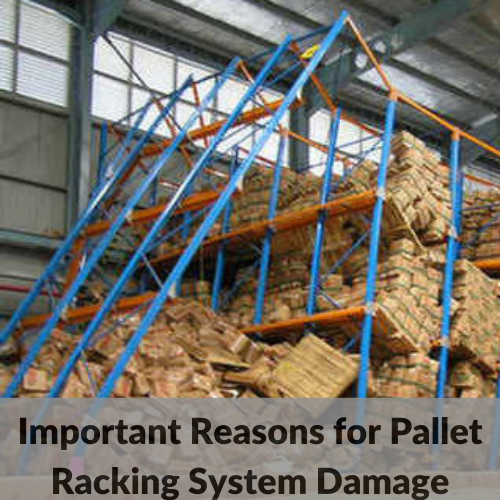
As mentioned earlier, pallet racking systems are an essential part of most warehouses, and their proper function is essential to ensure that goods are stored and retrieved as efficiently as possible. However, pallet racking systems are also susceptible to damage, which can lead to a number of problems. There are several different causes of pallet racking system damage. Some of the most common causes are:

  1. Improper Pallet Loading:

When you think of the most common reasons for pallet rack damage, what comes to mind? Are pallets not being leveled? Improper stacking? Improper loading? If you guessed loading, you are correct! All too often, we see warehouses and distribution centers paying the price for improper loading. Not only can incorrect loading ruin the pallets and the product they are carrying, but it can also damage the racks themselves. In order to avoid this, it is important to be aware of the right way to load and unload pallets from a rack system. By understanding some of the basics of how to properly load a pallet onto a pallet rack, you can save your business time and money.

2. Incorrect Pallet Placement:

Incorrect pallet placement can lead to pallet racking system damage. If pallets are not placed correctly on the racking, the weight of the pallets can cause the rack to buckle and collapse. Moreover, if pallets are not placed correctly, it can cause the racking system to become overloaded and unstable. This can cause serious injury to employees and can damage the merchandise that is being stored on the racking. Therefore, it is important to place pallets correctly on the racking and to ensure that all employees are familiar with the correct pallet placement procedure. Pallets should be placed at the bottom of the rack, and should not block any aisles. Employees should never stand or walk under loaded pallets. When loading or unloading pallets, make sure to use the correct forklift. If you are unsure how to properly place a pallet, ask your supervisor for assistance.

3. Incorrect Use of Equipment:

The incorrect use of forklifts can also lead to pallet rack damage. Forklifts should always be used in a forward motion, and never reversed into a rack. Reversing into a rack can cause the forks to pierce the pallet and damage the rack. Improper use of forklifts or other equipment can lead to cause injuries to employees, damage to goods, and damage to the pallet rack system itself. All of these can be costly for businesses.

4. Poor Warehouse Design:

The warehouse layout is one of the most important aspects of the design process. A poorly designed warehouse can lead to pallet rack system damage and injuries. There are a few key things to keep in mind when designing a warehouse:

  • The layout should be ergonomic and efficient.
  • The warehouse should be large enough to accommodate the expected growth of the business.
  • The warehouse should be organized in a way that makes it easy to find and retrieve products.
  • The warehouse should be designed to accommodate the type of products being stored.

A poorly designed warehouse can also lead to increased costs as well. Inefficient use of space can cause workers to spend more time walking around the warehouse, looking for products. This can lead to increased labor costs and decreased productivity.

5. Environmental Factors:

Pallet rack systems can be damaged by environmental factors, such as fire, wind, and water. Fire can disrupt the structural integrity of the racks, as well as the products stored on them. Wind can also knock down racks, and water can cause rust and other damage. It is important to take measures to protect your pallet rack system from environmental factors.

The pallet racking system is prone to a lot of damage. If you didn’t spot pallet racking system damage at an early stage, it can cause a lot of problems for the business. Detecting damage to pallet racking systems early can save you a lot of money in the long run. By noticing the danger signs for the pallet racking system before it becomes worse, you can avoid potential accidents and injuries.

Needless to say, damage to pallet rack systems can be very costly for businesses. Not only can it interrupt operations, but it can also cause a loss of product and create a hazardous work environment. It is important, then, to take measures to prevent such damage from happening. One way to do this is to get guidance from a reputable manufacturer of pallet rack systems like SPS Ideal Solutions. They can help you choose the right system for your needs, as well as install and maintain it properly. This will help to ensure that your pallet rack system is safe and effective and that damage is kept to a minimum.

Related Posts:

How to Choose a Suitable Storage Rack System for Your Warehouse?

Tips to Choose the Right Warehouse Rack for Your Storage Facility

When selecting warehouse racks, there are a few factors to consider including the weight of the items to be stored, the dimensions of the items, and the height of the warehouse. The height of the ceilings and the width of the aisles also need to be taken into account. In addition, it is important to select warehouse storage rack systems that are compatible with the existing material handling equipment in order to minimize worker injuries and maximize efficiency. The other major factors to consider include:

  • Warehouse Design and Environment: The warehouse rack and storage system you choose will have a significant impact on the productivity of your warehouse workers and on the efficiency of your warehouse operations. You must take into account the design of your warehouse and the environment in which it operates before making a decision about what type of racks to install. When it comes to the design of your warehouse, there are a few things you need to take into consideration before choosing your storage racks. The layout of your warehouse, the elevation of your warehouse, and the climate of your warehouse can all have an impact on what type of storage racks will be best for you. For example, if your warehouse with high ceiling, you will need taller storage racks in order to make use of the space. In a hot, humid environment, for example, you will need racks that allow for good air circulation to prevent the products from becoming damaged by moisture. In a cold environment, you will need racks that can withstand the cold and that will protect the products from frost damage.
  • Type of Products to be Stored: There are many types of warehouse pallet racks available in the market, and the type and shape of the products to be stored should be considered before choosing the racks. Some types of racks are designed to store pallets, while others are designed to store boxed items or individual items. The shape of the products to be stored is also important, as some racks are designed for square or rectangular products, while others are designed for products that are cylindrical or irregular in shape.
  • Forklift Accessibility: When it comes to warehouse storage racks, forklift accessibility should be one of your top considerations. If the racks you choose are not accessible to forklifts, your employees will have to move inventory around manually, which can be a time-consuming and difficult process. Warehouse racks that are too high or too low can make it difficult for forklifts to reach the inventory, which can lead to wastage of time and frustration for employees. There are a few things you can do to make sure your racks are accessible to forklifts. First, make sure the racks you select have open spaces between the shelves. This will allow the forklifts to get in close and move the inventory around easily.
  • Width of Aisles: It is also important to consider the width of the aisles between the racks. If the aisles are too narrow, the racks will take up more space than necessary and could block traffic. If the aisles are too wide, the racks will be less efficient in terms of storage space.

Needless to say, the type of storage racks used can have a major impact on the warehouse as a whole. If the wrong racks are chosen, it can lead to wasted space, time, and money. The wrong type of racks can lead to all sorts of organizational and storage issues. There are many different types of storage racks available on the market. It is important to choose the right type for the specific warehouse.

When it comes to finding the right storage racks for warehouses, it is important to connect with leading manufacturers like SPS Ideal Solutions. By working with such a reputable manufacturer, you will have access to high-quality products that meet your specific needs. In addition, you will be able to benefit from the manufacturer’s years of experience and expertise in the field. Take the time to research different manufacturers and compare their products and services. This will help you find the right one for your business.

Related Posts:

Know the Real Difference between Racking and Shelving

What is an Industrial Shelving?

Shelving is one of the basic yet essential types of industrial storage systems. These storage systems do not require a forklift or any other vehicle for placing and picking up goods. Industrial shelves are usually made of metal. Depending on the individual application need, they are designed for any height with n number of shelves. There are several benefits of industrial shelving that have contributed to their popularity. The following are a few important ones:

  • They are customizable.
  • They help increase overall productivity.
  • They are space-efficient and versatile.
  • They are durable.
  • They are easy-to-assemble and provide secure product storage.

What is an Industrial Racking System?

Industrial racking is another popular storage solution used across industries, especially in warehouses and large distribution centers to optimize the storage space. They are deeper and stacked higher than shelves. It is designed in such a way that makes it possible to access products using forklifts or automated mechanized devices. Industrial racking is made of durable, high-strength materials, like stainless steel. Owing to the desirable properties of the material, it can withstand the weight of heavy products.

Industrial Racking vs Industrial Shelving – Know the Real Difference

Racking and shelving are the two popular ways to store your inventory. Though it may require significant investment, it is a long-term solution for all your warehouse needs. Here are some important pointers on these storage types:

  • One major difference between warehouse racking and shelving is the type and size of products both storage solutions can accommodate. Shelves store and hold light weight products that are easy to store, retrieve, and carry by hand. Shelving is laid out in single sections where products are stored individually. Racking is constructed in various bays to support heavier products. 
  • In the case of shelving, the products you need frequently can be arranged in front, and the least required ones are stored towards the end. On the contrary, the products are stored in an orderly manner on the pallet racks. It helps save loss of production time. It also reduces operational costs that may experience owing to product damage or falls. 
  • Pallet racking may require material handling equipment, such as forklifts or mechanized devices to lift and move heavy materials. This is not the case with industrial shelving. 
  • In the case of pallet racking, you need to conduct regular inspections and audits for checking the parts are not messed up. This helps check if there is damage to products. These processes may be tedious and time-consuming but bring long-term benefits.

Now, you may get the answer of what is the difference between racking and shelving. Irrespective of the storage system the businesses choose to invest in, it is important to understand the capabilities of each system. Are you in search of an industry supplier who will offer you the best storage solution for your facility? If yes, then SPS Ideal Solutions is a one-stop solution for you. The company offers unique yet performance-driven and durable storage solutions. These storage solutions are made of stainless steel. Owing to the beneficial features of these storage solutions, they help boost overall warehouse productivity. If you are unsure of which storage solution to choose for your facility, then get in touch with the experts at the company, They will assist you throughout the process by understanding your application requirements.

RFQ

Related Posts:
How to Find the Right Size of Pallet Rack?

How to Identify the Size and Weight of your Pallets?

To ensure a safe, efficient stacking along with compatibility and stability with your current setup, it is imperative to have the rack system with the right size. Here comes the significance of measuring that helps identify the size and weight of your pallets. How to find the right size of pallet rack? Is that the question bothering you? Consider the steps listed below to accurately measure your pallet racking systems.

  1. Measure crossbeams: Pallet racks are designed with several shelf beams that are rigidly connected to handle multiple levels of loads. Being a crucial element in the racking system, it is a must to measure the crossbeams accurately to get the length & face of beams. To get the beam length, the right method to be employed is measuring from the inside of one upright to the inside of the opposite upright. Normally, the beam length falls between 4′ and 9′ and this differs with respect to the level of customization. The next important measurement to be made is beam face, which is calculated by measuring the front of the beam from its top to the beam’s bottom. The large beam face size indicates that the rack is compatible to stock heavy loads.
  2. Measure upright frame:  How do you measure the depth of a rack? Measuring upright frames, which involve several calculations gives the depth of the upright. It is necessary to obtain the four measurements in order to precisely determine the size of the upright frames. To begin with, measure from one side of the uprights outside edge to the opposing sides outside edge to determine the upright’s depth. Although 36″, 42″, 46″, or 48″ are the most typical sizes, they can be customized to meet your specific needs. Secondly, measure the outside face and inside face of the column to get the size of the upright column and frames. The next critical step is to measure the length and width of the footplate, which functions as anchors to give the rack more solidity. After that, you can measure the overall height of the upright. You can do so by measuring from the top of the upright to the ground, or vice versa.
  1. Measure Wire Decks: Now, you have your frame depth, beam length, beam capacity, beam step depth ready at hand. It’s easier to measure wire decking if you have the correct beam and frame measurements. The only thing left is to determine the depth of wire decks. You can find out how wide it is by measuring it from one end to the other. Wire decking comes in a variety of widths, ranging from 42″ deep to 46″, and the sizes can be customized as needed.

What’s Next?

Whatever pallet racking system you choose; it is important to have the rightly sized item to support the maximum weight of the load. Measuring the unit accurately thus becomes a necessity even if you are repairing damaged components, or adding to an existing pallet rack system.  This is done to guarantee the system’s reliability in terms of structural capacity, system functionality, and safety. With the points aforementioned, you must have now got an idea on how to select the right Warehouse Storage Rack System. If you still require more clarity on how to identify the size and weight of your pallets, then, talk to an expert in the field like SPS Ideal Solutions. The company offers expert answers to all your doubts pertaining to finding the right size of pallet rack. Consider speaking to a professional at SPS Ideal Solutions to understand standard rack dimensions and measure each system component correctly.

Related Posts:

A Comprehensive Guide on Pallet Rack Flue Spaces

Introduction and Importance of Pallet Rack Row Flue Spaces Explained

According to the National Fire Protection Association or NFPA, the flue space is a clear vertical opening within the pallet rack structure. These openings allow vertical lines of sight stemming from the floor up to the ceiling. These spaces act as fire code requirements because they reduce the pallet racks’ damage from fire by allowing fire, heat, and smoke to ventilate upward & quickly activate the sprinkler systems. This warehouse racking structure also allows the water to penetrate down through the multiple layers of stored products. Therefore, it is important to keep flue spaces clear of inventory blockage within the pallet rack structure. This may allow for instant fire suppression and fire detection. 

Types of Flue Spaces in Pallet Rack Systems

According to the NFPA flue space requirements standard, two types of flue spaces are considered while designing pallet racks for your warehouse.

  1. Transverse Flue Space: This is the gap or opening space between the products that are stored parallel to the direction of loading. If the products are stacked less than 6″ from other pallets, then they may be blocking the transverse flue space of pallet racks. Flue keepers are used to prevent the pallets from encroaching into the flue space and improve the working of sprinkler systems. These are designed as per NFPA standards and can be installed in non-standard storage units.
  2. Longitudinal Flue Space: This is spacing between back-to-back rows of pallets racks. Basically, products loaded far behind on the rack in both rows may result in the blockage of the flue. This can be avoided by applying proper warehouse rack space and flue protection standards.

Flue Space Dimensions and Guidelines

Recommended Flue Space Dimensions
Flue spaces are the gaps left between rows of pallet racks to allow for ventilation, access by firefighting personnel, and the dissipation of heat in case of a fire. The dimensions of these spaces are crucial for maintaining safety and operational efficiency in warehouse environments:

Typical Width: The recommended width of a flue space between pallet racks is generally around 12 to 18 inches (30 to 45 cm). This provides enough room for ventilation and easy passage for forklifts or firefighting equipment.

Height: Flue spaces should extend from the floor level to a height of at least 18 inches (45 cm) above the top of the highest load. This ensures proper air circulation and accessibility.

Factors Influencing Flue Space Requirements
Several factors determine the specific rack flue space dimensions needed for a given pallet rack system:

Rack Type: Different types of pallet rack configurations (single deep, double deep, drive-in, etc.) have varying requirements for flue space dimensions due to their designs and storage capacities.

Fire Safety Regulations: Local fire codes and regulations might dictate specific flue space dimensions based on the type of goods stored, the rack layout, and the presence of fire suppression systems like sprinklers.

Sprinkler Systems: The presence and location of sprinkler systems can affect flue space requirements. Adequate space must be provided to ensure that the sprinklers can effectively reach any potential fire.

Aisle Width: The width of the aisles between rack rows can impact rack flue space dimensions. Wider aisles may allow for slightly narrower flue spaces, but the overall ventilation and accessibility must still be maintained.

Consequences of Inadequate Flue Spaces
Neglecting proper flue space dimensions can lead to various detrimental outcomes:

Fire Hazard: Inadequate flue spaces hinder heat dissipation and ventilation during a fire. This can cause fires to spread more rapidly and make firefighting efforts less effective.

Limited Accessibility: Insufficient flue spaces can obstruct the movement of forklifts and other equipment, making it challenging to retrieve or store goods efficiently.

Reduced Safety: Emergency responders may face difficulties accessing the source of a fire or maneuvering within the warehouse if flue spaces are too narrow.

Compromised Sprinkler Effectiveness: If sprinkler systems cannot adequately reach the fire due to blocked flue spaces, fire suppression efforts will be less successful.

Structural Strain: Stacking items too close to the racks or within the flue spaces can put excessive pressure on the racks and compromise their structural integrity.

How to Keep Flue Spaces Clear?

There are many factors that can affect the flue space’s effectiveness in preventing fire spread. With a well-designed pallet racking system and properly sized products, some appropriate safety solutions help in keeping your flue space clear and visible. 

  • Rack Straps: This is one of the common ways to keep your flue space clear. These straps are attached to the backside of each bay, stopping the pallets from being pushed back into flue space. 
  • Wire Rack Backing: As the name implies, they are installed on the rear side of the rack. Primarily, they help prevent products from falling off the racking system but can also be used to restrain products from blocking the flue space. 
  • Pallet Stop Beams: They are bolted into the pallet rack upright from 6” to 12” beam level. This helps stop the products from being pushed back into the flue space. 

By now, you may have understood that maintaining the pallet rack flue space is vital for the safety of the warehouse inventory and staff. Still, if you have any concerns about flue spaces on pallet racks, you can approach an expert for a solution, SPS Ideal Solutions is one of the leading suppliers of racking systems as well as shipping and material handling solutions.

Related Posts:

How to Design your Warehouse Racking Layout for Optimization?

How Do You Layout a Warehouse and Distribution Center?

When it comes to designing a layout for a warehouse and distribution center, the construction of a warehouse is not the only consideration. There are multiple factors one must consider to achieve the desired efficiency for material handling units. Let us discuss how to design a warehouse racks layout and its important considerations.

Designing a Warehouse Layout

You must consider the following factors to optimize the storage & distribution capacity of a warehouse and distribution center.

  • Analyze the Storage Requirements: Analysis of storage requirements is the primary activity in the design of warehouse layout. It can include consideration of the following factors.
    • Type of products to be stored
    • The collective weight of products
    • Duration of storage

Considering these three factors during the analysis of the storage requirement helps in deciding the size of a warehouse unit, size of pallets, aisle width, etc.

  • Strategize for Maximum Physical Storage: The motive of designing a warehouse layout is to achieve the maximum possible storage capacity. This storage capacity can be achieved using well-designed pallets and racks that allow efficient product storage with easy loading and unloading. The maximum storage capacity achieved should not result in crowding the products or damage.
  • Select an Appropriate Type of Layout: There are multiple types of warehouse layouts. One of these layouts can be chosen according to the storage requirements, product circulation requirements, etc. To choose the correct type of layout, you must know what are the types of warehouse layouts for pallet racking? Let us discuss the same.
    • Selective Racks Layout: The selective racks layout is suitable for long-term storage and circulation. In this type of warehouse layout, a selective number of racks is dedicated to circulating products and the remaining are reserved for long-term storage. Circulating pallets are kept more accessible.
    • Drive-in or Drive-through Racks Layout: Drive-in racks or drive-through racks layout consist of mobile pallets or shuttle. In these systems, the shuttles or pallets are moved in and out of the racks for loading and unloading.
    • Push-back Racks Layout: Push-back racks layout is suitable for durable high-capacity storage. In this type of racks layouts, the shelves or pallets filled with products to store for a longer duration are pushed back. In the front, the shelves or pallets are assembled so that circulating products are accessible easily.
  • Design for Mobility: Movable racks are a smart way of enhancing the efficiency of the warehouse layout. If you are planning to install mobile racks, you need to address available floor space, obstacles, and mechanization requirements. You can design the entire warehouse system for mobility or partial mobility for pallets and racks.
  • Map the Routes for Mobility: If the design for mobility is adopted, the routes for the movement of racks and pallets must be designed strategically. This can include designing an obstacle-free route.
  • Keep Flexibility for Expansion and Scalability: During designing the layout for the warehouse, there should be scope for expansion and scalability. In the future, there can be an increased need for storage, need for additional space, etc. Therefore, the scope for expansion is essential. Warehouse systems are integrated with automation, therefore, the scope for enhancing scalability is essential. For this, the system should be compatible with additional device integrations, software compatibility, inventory management systems, etc.
  • Implement a Suitable Warehouse Management Methodology: The warehouse management methodologies like first-in-first-out (FIFO), last-in-first-out (LIFO), etc are crucial parts of inventory management. Adopt the methodology that suits best your material handling needs. Regardless of the type of methodology chosen the warehouse layout should support its operation.

As the above information offers you easy-to-follow tips for the perfect warehouse layout, that is not enough. While all your queries on how to design your warehouse racking layout for optimization are answered, you must realize the importance of investing in quality racks. Even if you may succeed in building a high density and high productive warehouse or a distribution center following these tips, it may not ensure the safety or security of people and premises. To ensure the same, you need to invest in high-quality and security-driven pallets and racks sourced from trusted manufacturers like SPS Ideal Solutions. The company offers industrial warehouse management and racking solutions.  Their Warehouse Storage System, custom rack design, etc are the services proven helpful to several industries.  

Related Posts:

Learn About the Essential Pre-Repair Pallet Rack Inspection Tips

Pallet Rack Inspection Guidelines

Performing the pallet rack inspection is essential to prevent losses in different ways. It helps in identifying defects, and enhances safety as slight defects in the pallet rack systems can cause abrupt failure. To prevent such accidents and reduce the scope for failure, the following pallet rack safety inspection checklist should be followed.

  • General Inspection: A visual inspection must be performed to check for surface defects, rusting, hotspots, etc. A detailed corrosion inspection must be done as the material under the layer of rust may be weak.
    • A visual inspection for paint conditions must be done. Scrapped spray paint exposes the metal to moisture, dust, and dirt which eventually results in rusting.
    • The alignment of racks & pallets must be visually inspected or instruments like T-squares can be used to check for any deflection in alignment.
  • Uprights Inspection: The uprights are load-sustaining vertical frames in industrial metal pallets and rack systems. These frames hold the vertical load of products stored on them. The inspection of uprights must be done for bends, cracks, etc. A slight defect in the uprights can drastically reduce the load-carrying capacity of metal pallets.
    • The column protectors should also be inspected for damage, as defects in these accessories can affect the efficiency of an industrial rack system.
  • Beam Inspection: The horizontal beams are designed to sustain the load of stored products. Hence, these beams are prone to bending and dimensional deflection over the span of usage. Over bending can cause cracks, and breaking of the material if overlooked. To prevent it the beams must be tested for bending, cracks, and deflection in alignment.
  • Joints and Connections Inspection: The industrial pallets and racks are installed by using multiple joining mechanisms such as weld joints, bolt-ins, etc. Over the time of application, the joints are prone to loosen and detach. If overlooked sudden failure of the entire industrial pallets system may occur. That is why the joints and connections should be tested properly.

Additional Pallet Rack Inspection Tips

The following additional pallet rack inspection tips can be helpful in enhancing pre-repair inspection.

  • During pallet rack audit, follow Specialty Equipment Market Association (SEMA) guidelines to perform effective industrial pallet rack system inspection.
  • Check for the condition of secondary components like baseplates. Each component must be tightened to sustain the load.
  • Check for uniform load distribution and load-carrying capacity of the pallet rack system.
  • Inspect the condition of the flooring on which the pallet rack system is placed. Slippery floors are one of the reasons behind warehouse accidents.

Now that all the guidelines for pallet rack inspection are discussed, it is essential to source quality pallet racks. SPS Ideal Solutions offers industrial pallet racks in different specifications to meet your application requirements. Made of high-quality stainless steel, these metal pallet racks are designed to offer several years of service. The experts at the company will work with you to design steel pallets for your facility, which further adds to the quality of these storage structures.                                                                                                                                                                                  

RFQ
                                              

Related Posts:


Pallet Racking Vs Floor Stacking: What You Must Know?

Warehouse Pallet Racking Vs Floor Stacking: Which One is Better?

There are various ways to store your inventory such as parts in progress, as well as completed parts in an organized manner. It may require significant investment, but is often a long-term solution to all your warehouse storage issues. Floor stacking is relatively a cheaper option; however, it may not be suitable in all situations. Here are some pointers on both these storage types:

  • The advantages in floor stacking are that it is inexpensive, as you need no pallet racks.
  • Floor stacking although inexpensive works well for same type of products that do not expire easily or demand first in first out (FIFO).
  • Floor stacking follows the last in, first out (LIFO) method and is considered better for products that aren’t sensitive and largely non-perishable, too.
  • The disadvantage is that you need good enough availability of space to store in this manner.
  • All you need to do is place the pallets on the floor and store the materials based on the height and breadth of the pallet.
  • Pallet racking or shelving needs initial investment but is definitely a better solution.
  • Also, you can manage to store plenty of materials in small and compact spaces if you can organize the shelving well.
  • The parts you need frequently are the ones to be loaded onto containers can be arranged in the front lines. The ones which are not required in the near future can be stored towards the end.
  • This also depends on the weight and quantity of the parts and the load bearing capacity of the racks or pallets.
  • In case of a pallet racking system, you may require forklifts and other material handling equipment, especially to lift or remove bulky materials from cramped up spaces without damaging the other materials.
  • Proper pallet racking ensures workplace safety from the point of view of the workers as well as materials.
  • Since the materials or parts are arranged in an orderly manner, it saves loss of production time.
  • It helps reduce operational costs and the ones, which may incur due to product falls and damage.
  • The only disadvantage here is you would require to carry out regular warehouse inspections and audits to check that the parts or their order is not messed up. Also, it is required so that actual numbers or quantities of parts available can be matched to the required ones. Such audits also help check if there is damage to any of the parts. So, actually, this inspection process may be a bit tedious but proven to be beneficial in the long run.

The choice between pallet racking vs floor stacking would largely depend on the type of material or components you want to store and many such factors. Each has their own merits and demerits. If you are looking for appropriate warehouse storage solutions for your manufacturing unit, ensure you get it done from a reliable manufacturer and supplier who understands your requirements thoroughly. SPS Ideal Solutions is one of the leading providers of inventory storage, shipping, and material handling solutions. The company provides innovative racking solutions such as Roll Raptor, cradle roll racks, coil racks, and foldable shipping racks in custom configurations to its customers.

Related Posts :

Things to Consider Before Installing Tire Racks within Your Facility

4 Key Factors to Consider for Efficient Tire Racking System

Choosing an efficient racking system for tires involves a wide range of considerations. Here are a few important ones.

  1. Ventilated Space and Temperature: Ventilated storage space is one of the important considerations for efficient tier racking systems. Warehouse temperature & humidity monitoring is another important consideration. Warehouse temperature should not be too low or too high. This is because high temperature can lead to bursting, while the low temperature will affect the tire quality. It is important to maintain an ideal warehouse temperature as required.
  2. Environmental Conditions: The environmental aspect must be taken into the consideration for an efficient tire storage system. Tires should be stored in areas where they are not exposed to UV rays or sunlight.
  3. Chemical Substances: Like other considerations, it is important to keep tires away from chemical substances. This is because lubricants, solvents, and other dangerous chemicals may have a bad impact on the tier quality due to some chemical reactions. Do not keep any chemicals close to your tier racks.
  4. Compression-free Storage: Last but not the least, you must take care of compression forces while storing tiers on storage racks. Applying longitudinal forces or pressure may flatten them or decrease air pressure. Thus, it is important to achieve good compression-free storage when you have tires in your warehouse.

With the above-mentioned storage tips, you can store tires efficiently and safely in your warehouse. Are you planning to buy tire racks for your facility? If yes, then you must employ an industry-leading manufacturer, who will offer innovative designs by considering the overall loading capacity and other important requirements. SPS Ideal Solutions is an industry leader that specializes in designing and manufacturing tire storage racks to fulfill your application needs. With years of industry presence and highly experienced experts, they create customized tire racking units that are easily stackable. They offer different types of tire racks for passenger vehicles, trucks, airplanes, buses, motorcycles, and so on

Related Postes:

Used vs New Pallet Racking System – Which One to Choose?

Is It Safe to Buy Used Pallet Rack Systems for Warehouses?

Buying a used pallet racking system may help for straightforward use of similar types of products in terms of weight, size, and shape. However, ensure it is in a good condition and has the appropriate load bearing capacity you require. In used one, there may be limited scope for customization. If you buy a new system, it may cater well to the ever-growing storage complexities and may be more scalable for future expansions. Due to tough economic conditions or in case you are a new player with limited capital investment, going for a used racking system may be a wise decision. It will not only save on costs but also help start production and subsequent storage immediately upon installation. Used systems are easily available, unlike new ones in which you need to invest both time and money. However, it is not wise to buy used ones only to save money.  Although there are many advantages of using used pallet racks, including saving money, ensure you check the condition, and do not waste money on repairs and maintenance. Also, it is necessary to check the safety and warranty aspects.  

New Pallet Racking Systems: Advantages Explained

New pallet racks are a great option if your system is on the complex side and needs a great deal of customization. A new pallet racking system has several advantages over a used one. With a new one, one can be rest assured of using a non-toxic, lead-free paint substance that prevents damage. The following are some important reasons to choose new pallet racks. 

  • Safety: Due to the many hazards and risks associated with the warehouse, safety is the priority. Safety of employees, as well as inventory, is important as much is at stake. To prevent any mishaps, it is important that every employee there has a user manual and a proper instruction guide. Also, arrange the inventory considering the load-bearing capacity vis-à-vis the product weight and size. Use the right tools to load and unload the inventory. New pallet racks are labelled with the weight capacities and other important information provided by the manufacturer. Thus, employees know the exact weight to be stored on the racks. Unlike used pallet racks, you can assure that the new system has updated codes and is safe to use.
  • Increased Storage Capacity: The new pallet racks can be customized and designed to suit the warehouse needs. They can be made to be perfectly fit for pallet sizes which helps optimize the storage capacity of the warehouse.
  • Warranty: One of the major reasons for buying a new pallet racking system is the factory warranty it comes with. Even if your system fails due to any reason, it is covered by the warranty. This is not the case with used pallet racks. If some damage occurs or the system won’t work, then you can contact the manufacturer and fix it.
  • Future Expansion: When you buy new pallet racks directly from the manufacturer, then you have a clear idea with whom you are dealing. This means, for installation, repairs, or maintenance, you need to contact the same people who manufactured it. In this way, you will get your thing done right. As your business expands, you can add or extend the existing racking system at any time by contacting the same manufacturer.

So, would you like to save few bucks and take a chance to invest in a used system or invest in a new quality pallet racking system that will last a lifetime? In short, the more complex and long-term the warehouse fulfillment needs, the more sense it makes to spend for a new pallet racking system. If you are looking for a reliable industry-leading supplier who will offer you a superior storage solution for your warehouse environment, then SPS Ideal Solutions is the right choice. With years of market presence, the company specializes in offering unique and high-quality storage racks for every product.

Related Posts:
Most Common Warehouse Catastrophe and Ways to Avoid Them

5 Causes of Warehouse Catastrophes and How to Prevent Them

The following are some common warehouse incidents and prevention tips for warehouse safety. These tips are applicable in case of your existing system safety checks, storage expansion or renovation, and shifting into a new warehouse with the existing racking system.

Forklift Disasters

Forklift accidents mainly occur in the corners of warehouses, intersections, and blind areas. These may lead to equipment damage, financial loss, unplanned downtime, worker injuries, and many more. According to Occupational Safety and Health Administration or OSHA, serious and fatal accidents occur when workers become complacent and comfortable while handling large and heavy pieces of equipment.

Installing an alert system is one effective way to prevent these sudden crashes. The system should caution the forklift operator whenever another person or machine is nearby. It also allows the driver to minimize the speed or maneuver in time. With safe working practices, the system reduces crashes and accidents because of forklifts.

Slips and Trips

A simple slip of the object on the warehouse floor can cause huge damage to the property. Slips, trips, and falls create a majority of accidents. This common cause of damage is preventable in many cases by keeping aisles organized, cleaning up liquid spills, unloading new products on shelves, keeping non-essential things away, illuminating darker areas, and many more.

Falling Objects

One of the effective ways to utilize the warehouse space is stacking products vertically. But, it creates the risk of objects falling down if not stored properly. Therefore, regardless of your warehouse space, it’s important to stack them the smart way. When it comes to stacking products, pay more attention to cylindrical and odd-shaped parts that could easily roll off the shelf, and cause serious damage to employees.

Ergonomic Injuries

In a warehouse, ergonomic strains are caused by several reasons such as ergonomic risk factors, exposure to abnormal temperature, and many more. To avoid this, employees should have knowledge as well as a sense of awareness for protecting themselves. Being an employer, don’t ask your employees to push their limits of what they feel they’re capable of as that invites the risk of injury. Providing proper training to all employees is essential.

Toxic and Harmful Substances

Many times, warehouse accidents may be caused by harmful substances such as acids, solvents, disinfectants, pesticides, and many more. Therefore, it is important that all employees should have protective gear like hand gloves, masks, and more. Also, rooms, where these substances are being stored, must be well ventilated.

Implementing the aforementioned tips with careful planning will help in preventing warehouse disasters, and also allow you to minimize unwanted expenses and risk of life. Are you still concerned about pallet rack safety hazards? If yes, then you must take assistance from an industry-leading storage solution supplier like SPS Ideal Solutions. The company is a one-stop solution for storage racks. With years of experience, the company prides itself on offering custom storage solutions for its clients at reasonable prices.

Frequently Asked Questions

What are the leading causes of pallet racking failure in warehouses?

Pallet racking collapse can be caused by a variety of circumstances, including forklift operator errors, shelf overload, and structural deficiencies in the racking system. To avoid such events, maintain correct installation, regular inspections, and adherence to weight capacity limitations.

How can firms reduce the danger of warehouse disasters?

Warehouse disasters, such as pallet racking collapses and forklift accidents, can have serious effects for both workers and property. Proactive safety measures, such as installing forklift alarm systems, conducting frequent safety inspections, and offering comprehensive personnel training, can considerably reduce the chance of disaster.

What precautions can be taken to prevent forklift disasters in warehouses?

Forklift disasters, like as collisions and equipment damage, are widespread in warehouse settings. Implementing safety measures such as alarm systems to warn forklift operators of surrounding impediments, providing sufficient operator training, and enforcing safe operating procedures will help prevent such mishaps and protect both personnel and equipment.

How can firms prevent warehouse shelves collapse?

Warehouse shelves collapse happens due to poor stacking procedures, overload, or structural flaws in the shelving system. To avoid such calamities, organizations should prioritize correct stacking practices, inspect shelving on a regular basis for indicators of wear or deterioration, and make sure shelves are not overloaded over their weight capacity limitations.

Related Posts:

An Essential Guide: Things to Consider Before Buying Pallet Racks

List of Essential Things to Consider Before Buying Pallet Racks

A pallet rack system is a massive structure with elements like beams, pallet supports, row spacers, column protectors, and many more. Factors related to all these elements must be considered while choosing the pallet racks. The following are the things to consider before buying pallet racks.

  • Available Space: The pallet racks are three-dimensional structures, therefore, the horizontal and vertical capacity of the warehouse must be taken into consideration. It is important to buy pallet racks structures slightly smaller in dimension compared to the available space. When it comes to things to know before placing a pallet rack order, gaining an understanding of the floor area and vertical space helps in reduce crowding, layered vertical pallet mounting, etc.
  • Pallet Racks’ Capacity: It is essential to know how much load can the pallet racks sustain. The capacity must be tested for systematic loading and unloading conditions so that overloading does not happen.
  • Load Considerations: The load considerations like storage load, beam load sustainability, vertical stresses, and horizontal bending stresses, are essential while buying pallet racks. Also, while loading the pallet racks, uniform weight distribution may not be the case, therefore, one must consider if the construction is robust enough to sustain load fluctuations.
  • Adopted Input and Output Methodology: Every inventory management relies on an input-output methodology. First-In-First-Out (FIFO) and Last-In-First-Out (LIFO) are two popular methodologies adopted for inventory management. The design of pallet racks must be compatible with the adopted methodology. This directly impacts the performance
  • Durability: Durability is essential when a considerable financial investment is made on the pallet racks. The durability of pallet racks often depends on the material, build quality, design and construction, and operational situations of the pallet rack systems. To ensure durability you must check for corrosion resistance, chemical resistance, temperature tolerance, and sustainability in a harsh industrial environment.
  • Inventory Budget: Every industrial setup has significant valuation, pallet racks are no exception. You must consider the price perspective while purchasing the pallet rack systems. The overall inventory valuation may include different types of costs like capital cost of purchase, cost of installation and maintenance, and repair and replacement cost at the end of the life cycle.

Once all these factors are considered, the selection of pallet racks becomes easy. Always remember the Storage racks must be chosen such that they are operation-centric, durable, and cost-efficient. In addition to this, quality is essential to consider during the purchase, thus buying from a reliable manufacturer or supplier adds value to your purchase. SPS Ideal Solutions is well-reputed for its high-quality customized industrial inventory management solutions. It provides pallet racks and storage solutions made of stainless steel.

Learn About the Importance of Material Selection in Sheet Metal Fabrication

What are the Common Types of Sheet Metals?

Commonly utilized metals for sheet metal fabrication are listed below.

  • Steel
  • Stainless Steel
  • Galvanized Steel
  • Copper
  • Lead
  • Brass
  • Aluminum

Why Material Selection Maters?

The material selection impacts the design, operational and economical aspects of sheet metal fabrication.

  • Economic Aspects of Material Selection: The most essential aspect of operational economics is material selection. The design of the product and fabrication can be impacted by the material utilized. Appropriate selection of material can result in saving up-front investment and duration of the performance.
    • In the production process, if the material is incorrect, production errors are faced. In extreme cases, the abrupt failure of manufactured products can be observed. These failures can result in huge economical loss of raw material procurement, equipment running, and processing cost. Therefore, selecting a material compatible with the fabrication method and product utility is essential to save capital investment and operational losses.
    • One product can be manufactured using multiple metals. However, one metal can be inexpensive than another while offering nearly the same properties. Therefore, consideration of cost along with performance properties is essential.
  • Operational Aspects of Material Selection: Material selection also plays a key role performance of a final product. Various sheet fabricated products demand a varying range of properties like mechanical strength, surface finish, corrosion resistance, etc. Also, fabricating intricate shapes requires dimensional stability and production accuracy. Here, the choice of material plays an important role in meeting the requirements of the fabrication process and the final product. Selection of appropriate material in sheet metal fabrication enhances product lifecycle, performance efficiency, etc.  

To achieve high product quality, only the selection of material would not suffice rather use of the right equipment is important too. This is why you must source sheet metal fabrication services from trusted companies like SPS Ideal Solutions. The company holds over 30 years of experience in sheet metal fabrication and custom product manufacturing. Their experts are capable of offering appropriate material suggestions according to the specific needs of the customers. They have been providing custom sheet fabrication services to clients from industries like metal production, automobiles, agriculture, and medical equipment manufacturing.

Related Posts:
What Essential Factors One Must Consider Before Warehouse Pallet Rack Installation?

Indispensable Factors to Consider Before Pallet Racking System Installation

The following pointers can be used as a checklist before a pallet rack installation.  

  • Warehouse Layout: The facility storage space is an important consideration before installing a pallet racking system. The size, shape, as well as the height of the warehouse, will determine the types of racks you need. You also need to check for the positioning of doors and windows for optimal storage rack usage. An in-depth analysis of warehouse capabilities against your load requirement may result in improving the warehouse layout and functionality, and its flow process for convenient loading and unloading. The layout has to be such that there is enough space in between aisles for workers to move around safely.
  • Floor Space: A well-designed warehouse pallet rack solution not only maximizes the vertical dimension of your facility but also explores its floor space. For instance, a high bay racking system will increase the vertical capacity of warehouses at a cost-effective rate. It can reach heights up to 40 meters, which is almost doubling the capability offered by other forms of racking systems.
  • Accessibility: Pallet racks are a standard storage solution for all the needs that require immediate access to parts and products. The access you need to your products depends on several factors such as type of goods, the stock rotation and movement, the frequency of loading, unloading, and dispatches, and many more. Planning access to warehouse products seems an obvious step for warehouse designing. If not, then there are possibilities of serious accidents or damage in the warehouse.
  • Strength and Durability: Collapsing of a pallet rack is one of the main causes of warehouse accidents. This may cause injuries to employees as well as damage to the products. These issues may be prevented using durable and robust pallet racks which outweigh the products to be stored on them and have suitable dimensions. It is also important to estimate the approximate weight of the products and the weight capacity of the shelf that you will choose.
  • Safety: Safety is of paramount importance. Therefore, regular inspections are mandatory to avoid storage rack damage. There are many reasons for pallet rack damage, such as the loading method, the weight and shape of the product being stored, and many more. Arranging routine inspections will help identify possible damage before it becomes a serious issue. Also, installing a protective guard will help in such cases. Even after installing appropriate safety guards, it is essential to provide proper training to employees on their usage.
  • Budget: One vital consideration in choosing a pallet rack system is how much it will cost. The expenses could be divided into three areas – the storage system, design, and installation. One may consider low-priced pallet racks to save money, but this may not always work in terms of safety and streamlining. So, it is a good idea to consult an experienced warehouse storage solutions provider who will assist you in the selection of an optimized racking system that fulfills your needs. 
  • Stackable Shipping Racks:  A growing number of companies have opted for using stacking shipping racks as an option for stationary pallet racks.  The shipping racks are used to move the materials from supplier or sister company locations.  Once the racks arrive, they are stacked in the appropriate warehouse space.  The investment is lower and does not require building permits, installation time and related cost.  Connecting with a manufacturer of folding, stacking shipping racks should be considered.
  • All the pallet racking strategies and tips are detailed here. You may want to consider these pointers before installing pallet racks and create an optimized warehouse. Also, you must source these pallet racks from industry-leading manufacturers and suppliers like SPS Ideal Solutions. With years of market presence, the company specializes in manufacturing and designing high-quality and performance-driven storage solutions. Made of durable materials such as stainless steel, these pallet racks can boost the productivity of your warehouse and distribution center.

Related Posts:

What Are the Do’s and Don’ts of Choosing Industrial Pallet Racking Systems?

Industrial Racking Systems Do’s

When it comes to the dos and don’ts of choosing a pallet racking system, it’s always a good idea to make a list of things you would require in the near future and the ones that are in progress. Here are a few pointers.

  • Consider the Facility Space and Area: Your facilities storage space is the most important consideration before choosing a new pallet racking system. This helps determine an appropriate system for your inventory. Also, you need to check for the placement of the system. Proper space planning and placement play a key role in optimal storage racks usage. For instance, many businesses use a forklift to move and rearrange pallet storage system. In such cases, it is important to offer a wide enough space to maneuver around the system. Also, instruct your workers to keep the corridor or aisle ways free of improperly stored products. Proper analysis of the system against your load requirement will help ensure that your storage system meets all the safety standards and offers you convenience of loading, unloading, and locating things. 
  • Proper Inspection for Damage: There are several reasons for storage rack damage such as the weight of the products being stored, loading method, and many more. Therefore, it is essential to inspect your storage racks and attached guard panel, and repair or replace them as needed, on a periodical basis. Conducting routine inspections helps identify possible damage before it becomes a serious issue. Sometimes, repairing might hassle you, but it’s economical than replacing the entire system.  
  • Install Protecting Guards: This is another important consideration when it comes to industrial rack safety. Installing protective guard is not only helpful in protecting your inventory but also the workers. Even after installing safety guards, provide proper training to your workers on their usage.

  • Maintain Proper Usage and Training Program: One easy way to prevent warehouse accidents is to train your workers on how to safely load as well as unload the items from storage racks. With a proper understanding of safety parameters, they would perform the task more efficiently than ever.
Industrial Racking Systems Don’ts

There are many things to avoid when choosing a industrial racking system for your facility. Here are some useful pointers:

  • Don’t Overlook Buying Used Pallet Racking: Don’t overlook the option of buying used pallet racks for the warehouse. It is not only an excellent choice for startups with limited capitals, but it’s also environment friendly. It is one viable option for warehouses as it helps reduce costs without compromising on safety and efficiency.
  • Don’t Opt for Poor Quality Storage Racks: Storage racks may cause significant safety concerns in any warehouse as there are weighty products fixed high above the heads of workers. Storage racks made of poor quality can’t handle this weight or even volume, and may cause irreparable damage.

Safety is one key aspect when choosing the industrial racking systems. Regardless of the system a particular business chooses to invest in, routine maintenance and understanding the capabilities of each system is important. If you are looking for an industry supplier who will offer you the best solution for your facility, then SPS Ideal Solutions is a one-stop solution for you. The company is a warehouse rack manufacturer as well as supplier. The company prides itself in designing and manufacturing innovative and performance-driven pallet racks.